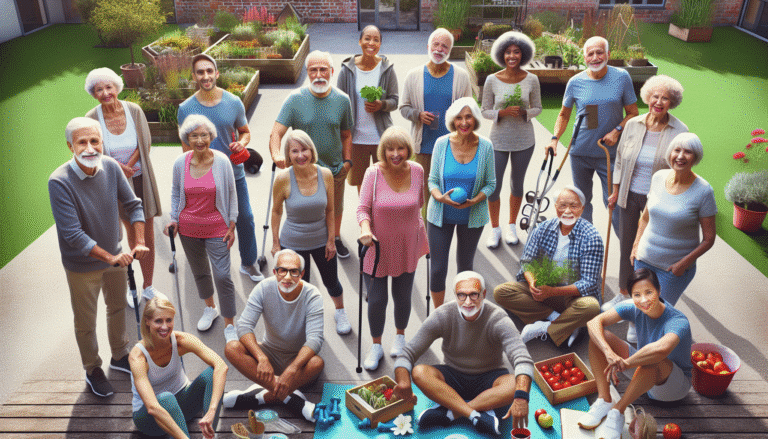
Why Strong Friendships Matter After 50

As we age, the importance of social connections becomes increasingly clear. In this comprehensive guide, we will explore the positive effects of social bonds after the age of 50. You’ll discover how strong friendships not only enhance your quality of life but also contribute significantly to your overall health and wellness. Let’s dive in!
The Importance of Social Connections
Strong friendships can greatly influence our mental and physical health. As we navigate the challenges of aging, having a supportive network can make all the difference. Research indicates that maintaining social bonds can lead to a longer, healthier life. This article will explore:
- The positive effects of social bonds on mental health
- How friendships can improve physical well-being
- Practical tips for cultivating and maintaining friendships after 50
The Positive Effects of Social Bonds on Mental Health
Emotional Support
Friendships provide essential emotional support, particularly during challenging times. When faced with stress or loss, having someone to talk to can alleviate feelings of loneliness and depression.
- Studies show that individuals with strong social networks experience lower levels of anxiety and depression.
- Engaging in meaningful conversations can boost your mood and promote a sense of belonging.
According to the Mayo Clinic, social interactions can improve your overall emotional health, reducing the risk of mental health issues.
Cognitive Benefits
Maintaining social relationships can also have cognitive benefits. Engaging in conversations, sharing experiences, and participating in group activities can keep your mind sharp.
- Research from the NIH indicates that social engagement can help reduce the risk of cognitive decline.
- Activities like playing games, attending classes, or simply having regular check-ins with friends can stimulate mental faculties.
Sense of Purpose
Strong friendships can instill a sense of purpose and motivation in life. Having friends to share experiences with encourages a more active lifestyle, whether through shared hobbies or social gatherings.
- A study published in the Journal of Health and Social Behavior found that older adults who actively engage in social activities report higher levels of life satisfaction.
The Positive Effects of Social Bonds on Physical Well-Being
Lowered Risk of Chronic Illness
Social connections can significantly impact physical health. Studies show that individuals with robust social networks may experience lower rates of chronic illnesses, such as heart disease and diabetes.
- According to the CDC, social isolation is linked to an increased risk of developing chronic health issues.
- Regular social activities can encourage healthier lifestyle choices, such as exercising together or cooking nutritious meals.
Enhanced Immune Function
Having strong friendships may even improve your immune system. Engaging socially can lead to a stronger immune response, thereby helping you fend off illnesses more effectively.
- Research indicates that people with strong social ties have better immune system functionality.
- Laughter and positive interactions can release endorphins, which also contribute to better health.
Increased Longevity
Perhaps one of the most compelling reasons to foster friendships is their impact on longevity. Studies show that older adults with strong social ties tend to live longer.
- The American Psychological Association published findings that highlight the correlation between social bonds and increased lifespan.
- Friends can motivate each other to maintain healthy habits, attend regular health check-ups, and support each other through challenging times.
Practical Tips for Cultivating Friendships After 50
1. Join Clubs or Groups
Participating in community groups, classes, or clubs that align with your interests is a great way to meet new people. Whether it’s a book club, gardening group, or fitness class, shared interests foster connections.
2. Volunteer
Volunteering not only helps others but also allows you to meet like-minded individuals. Choose causes that resonate with you, and you’ll likely find new friends while making a positive impact.
3. Use Technology
Don’t shy away from using social media or apps designed to connect people. Platforms like Meetup or local community boards can help you discover events and meet new friends in your area.
4. Be Proactive
Sometimes, you must take the initiative in building friendships. Don’t hesitate to reach out to acquaintances or neighbors for coffee or a simple chat.
5. Attend Social Gatherings
Make an effort to attend family gatherings, community events, or local festivals. These environments are ripe for making new connections.
Frequently Asked Questions About Why Strong Friendships Matter After 50
Q1: What are the key benefits of friendships after 50?
A: Friendships after 50 provide emotional support, cognitive stimulation, and a sense of purpose. They can also lower the risk of chronic illnesses and promote a longer, healthier life.
Q2: How can I make new friends at this age?
A: Join clubs, volunteer, attend local events, and use social media to connect with people who share your interests. Being proactive is key!
Q3: Can friendships impact mental health?
A: Absolutely! Strong social bonds can reduce feelings of loneliness, anxiety, and depression while boosting overall emotional well-being.
Q4: What if I feel too shy to reach out to others?
A: It’s normal to feel shy. Start by engaging in small conversations with acquaintances or neighbors. Gradually, you can expand your circle.
Q5: Are there any health risks associated with loneliness?
A: Yes, loneliness can lead to increased risks of chronic diseases, cognitive decline, and even early mortality. Maintaining social connections is crucial for overall health.
Conclusion
Strong friendships after 50 are not just important; they are essential for a fulfilling, healthy life. The positive effects of social bonds extend beyond emotional support—they impact our physical health and longevity. By taking proactive steps to cultivate and maintain friendships, you can significantly enhance your quality of life.
If you found this article helpful, explore more content on our blog that focuses on health and wellness for individuals aged 50 and over.
Disclaimer
The information provided in this article is for educational and informational purposes only and is not a substitute for professional medical advice, diagnosis, or treatment. Always seek the guidance of your doctor or other qualified healthcare provider with any questions you may have regarding a medical condition.
By implementing the strategies outlined above and valuing your friendships, you can enjoy the many benefits that come from strong social bonds. Remember, it’s never too late to make new connections and enrich your life!